
Programs
For more than 50 years, extraordinary people have gathered at Drala Mountain Center to partake in year-round offerings featuring Shambhala teachings, indigenous wisdom traditions, body awareness practices, contemplative arts, mindful living and other paths of personal transformation.
Taught by a remarkable array of accomplished practitioners and teachers, our programs offer something for everyone from the beginner to advanced student. We invite you to browse our many offerings and hope to see you on the land soon!

Volunteer Staff 2012
Visitor

Getaway
PLEASE NOTE: Getaways will not be available from June 5-June 22, 2013. We are sorry for any inconvenience this causes. Create your own getaway anytime throughout the year. Customize your own stay at 25% off our lodging rates. Use coupon code: GETAWAY-3 to receive your discount during registration. Enter the world of Shambhala Mountain Center, […]
Stupa Work Week
Please select any dates between arrival date of September 6th and departure date of September 15th. Thanks for volunteering! Your support and care of the Stupa means a lot to us!
Core Staff 2013 – 2014
Core Staff 2015-16
This page helps keeps us organized internally, yay! We need up-to-date: Dietary preference/allergies Medical allergies Emergency contact info Personal vehicle make/model/year/color and license plate – please put this info in the “comments or special needs” section (if you don’t have a personal vehicle, put “not applicable” in the comments or special needs section) The “travel” […]
Volunteer Staff 2015
Volunteer Staff 2016
Volunteer Staff 2017
Volunteer Staff 2018
Volunteer Staff 2019

Getaway 2015
Create your own getaway anytime throughout the year. Customize your own stay at 25% off our lodging rates. Use coupon code: GETAWAY-3 to receive your discount during registration. Enjoy a leisurely hike on our eight miles of wilderness trails, lying under an ancient tree with a good book, enjoying three healthy meals a day and soaking in the […]
Living Social Getaway 2015
IMPORTANT: Review these steps before registering! 1. During registration you’ll need to set “Choose Payment Option” to “Pay By Check”. Note: This is strictly for bookkeeping purposes, your full payment has been processed through Living Social–so don’t actually send us a check! 2. You will need to re-select your correct lodging choice. i.e. Lodge Dorm, […]
Getaway 2016
Create your own getaway anytime throughout the year. Customize your own stay at 25% off our lodging rates. Use coupon code: GETAWAY-3 to receive your discount during registration. Enjoy a leisurely hike on our eight miles of wilderness trails, lying under an ancient tree with a good book, enjoying three healthy meals a day and soaking in the […]
Getaway 2017
Create your own getaway anytime throughout the year. Customize your own stay at 25% off our lodging rates. Use coupon code: GETAWAY-3 to receive your discount during registration. Enjoy a leisurely hike on our eight miles of wilderness trails, lying under an ancient tree with a good book, enjoying three healthy meals a day and soaking in the […]
Getaway 2018
Customize your own 2018 retreat at 25% off our lodging rates. Use coupon code GETAWAY-3 to receive your discount during registration. Please note: Due to construction operations for the wastewater pipeline, Getaway registrations will be closed during the weekdays from September 10 through November 16. Learn more about the construction project here. ••••••••••••••••••••••••••••••••••••••••••••••••••••••••••••••••••••••••••••••••••••••••••••••••••••••••••••••••••••••• Create your own Self-Guided Retreat […]
Getaway 2019
Customize your own 2019 retreat at 25% off our lodging rates. Use coupon code GETAWAY-3 to receive your discount during registration. ••••••••••••••••••••••••••••••••••••••••••••••••••••••••••••••••••••••••••••••••••••••••••••••••••••••••••••••••••••••• Create your own Self-Guided Retreat Anytime Shambhala Mountain Center’s natural setting is perfect for personal introspection and inspiration – on your own, with a loved one, or with a group of friends. Hike along eight miles […]
Getaway 2020
Customize your own 2020 retreat at 25% off our lodging rates. Use coupon code GETAWAY-3 to receive your discount during registration. ••••••••••••••••••••••••••••••••••••••••••••••••••••••••••••••••••••••••••••••••••••••••••••••••••••••••••••••••••••••• Create your own Self-Guided Retreat Anytime Shambhala Mountain Center’s natural setting is perfect for personal introspection and inspiration – on your own, with a loved one, or with a group of friends. Hike along […]
Getaway 2024
Customize your own 2022 retreat at 25% off our lodging rates. Use coupon code GETAWAY-3 to receive your discount during registration. 50th (Plus One) Anniversary Special: Visit in mid-July We turned 50 in 2021. Book today for a stay between Thursday, July 14 and Tuesday, July 19 at 51% off. Click the Register Now button […]
Program Gift Certificate
Note: Program credit purchased with a Gift Certificate expires after two years of the issue date.
visitor
Stupa Work Week
Bob King, Lindy King, Joshua Mulder and John Perkins
Shambhala Mountain Center and The Great Stupa of Dharmakaya, with support from the Chogyam Trungpa Legacy Project, warmly invite you to participate in a Volunteer Work Program at the Great Stupa of Dharmakaya. Please select any dates between arrival date of September 29th and departure date of October 6th. Thanks for volunteering! Your support and […]

Summer Set-Up 2015
Welcome to Summer Set-Up 2015! Arrival days are every Sunday: April 26, May 3, 10, 17, 24. Please arrive by 5:00pm. Dinner is served from 6:30 – 7:30, and there will be a brief orientation every Sunday evening at 7:30pm. Departure days are Sundays, which is different from what our website said. This would allow you […]
Summer Set Up 2016
Welcome to Summer Set Up 2016! Arrival days are every Sunday: April 24th, May 1st, May 8th, May 15th, and May 22nd. Please arrive by 5:00 p.m. to ensure a smooth check in process. There will be a brief orientation at 7:30 p.m. each Sunday evening after dinner, which begins at 6:30 p.m. Departure days are also Sundays. This […]
Fall Take Down 2015
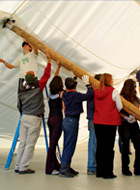
Join us as we dismantle our summer campus and prepare the land for winter. Work hard, meditate, participate in workshops and classes, make new friends and integrate your spiritual practice into everyday life. Your schedule will include six and a half hours of work each day, six days a week. In exchange, you will receive […]
Fall Take Down 2016
Register now to join us as we dismantle our summer campus and prepare the land for winter. Work outdoors, meditate, participate in workshops and classes, make new friends, and integrate your spiritual practice into everyday life. Your schedule typically includes approximately six hours of work each work day. In exchange, you will receive meals and live […]

Travel Assistance for UCSD Center for Mindfulness Rental
Thank you for contacting us to reserve your travel assistance for the University of San Diego Center for Mindfulness Retreat that will be held at Shambhala Mountain Center(SMC). If you would like travel assistance, please confirm your reservation by May 20th, 2016. We require that travel plans be made at least 3 weeks in advance […]
Stupa Work Week
Bob King, Lindy King and Joshua Mulder
Shambhala Mountain Center and The Great Stupa of Dharmakaya warmly invite you to participate in a Volunteer Work Program at the Great Stupa of Dharmakaya. Please select any dates between arrival date of September 2nd and departure date of September 11th. Tent Double Housing is provided, along with meals. Please select “pay by check” in the […]
Naropa Guest Nights
This registration page is for guests of Naropa University. If you would like to bring someone along and have them share your single room with you, please register them through our “Getaway” program. When you select the “Second Person in a Lodge Single” lodging type, you can indicate that they will be staying with you by […]

Beanstalk Foundation Leadership Guest Nights
This registration page is for Beanstalk Foundation Leaders. Through this registration page, you can register yourself for a one night stay at Shambhala Mountain Center. If you’d like to bring a guest, you may register them as well, each person needs their own registration.

Stupa Work Weekend
Bob King, Lindy King and Joshua Mulder
Shambhala Mountain Center and The Great Stupa of Dharmakaya warmly appreciate you participating in our Volunteer Work Program at the Great Stupa of Dharmakaya from May 26- May 28 These volunteer work gatherings are an incredible opportunity to work in and around the Great Stupa, and to spend time together! Along with uplifting and caring for […]
Summer Set Up 2017
Welcome to Summer Set Up 2017! Arrival days are every Sunday. Please arrive by 5:00 p.m. to ensure a smooth check in process. There will be a brief orientation at 7:30 p.m. each Sunday evening after dinner, which begins at 6:30 p.m. Departure days are also Sundays generally. This allows you to participate in weekend programs if you wish […]
Summer Set Up 2018
Welcome to Summer Set Up 2018! Arrival days are every Sunday. Please arrive by 5:00 p.m. to ensure a smooth check in process. There will be a brief orientation at 7:30 p.m. each Sunday evening after dinner, which begins at 6:30 p.m. Departure days are also Sundays generally. This allows you to participate in weekend programs if you wish […]
Summer Set Up 2019
Welcome to Summer Set Up 2019! Arrival days are every Sunday. Please arrive by 5:00 p.m. to ensure a smooth check in process. Departure days are also Sundays generally. This allows you to participate in weekend programs if you wish to do so. However, you’re free to depart on Saturday as well. Please note that we can provide travel […]
Fall Take Down 2017
Welcome to Fall Take Down 2017! Sundays are arrival days. Please arrive by 5:00 p.m. to ensure a smooth check in process. There will be a brief orientation at 7:30 p.m. each Sunday evening after dinner, which begins at 6:30 p.m. Departure days are also Sundays generally. This allows you to participate in weekend programs if you wish to […]
Fall Take Down 2018
Welcome to Fall Take Down 2018! Sundays are arrival days. Please arrive by 5:00 p.m. to ensure a smooth check in process. There will be a brief orientation at 7:30 p.m. each Sunday evening after dinner, which begins at 6:30 p.m. Departure days are also Sundays generally. This allows you to participate in weekend programs if you wish to […]
Fall Take Down 2019
Welcome to Fall Take Down 2019! Sundays are arrival days. Please arrive by 5:00 p.m. to ensure a smooth check in process. There will be a brief orientation at 7:30 p.m. each Sunday evening after dinner, which begins at 6:30 p.m. Departure days are also Sundays generally. This allows you to participate in weekend programs if you wish to […]
Stupa Work Week
Bob King, Lindy King, Joshua Mulder and John Perkins
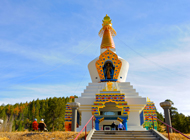
Shambhala Mountain Center and The Great Stupa of Dharmakaya warmly appreciate you participating in our Volunteer Work Program at the Great Stupa of Dharmakaya from September 15 to September 24, 2017. These volunteer work gatherings are an incredible opportunity to work in and around the Great Stupa, and to spend time together! Along with […]
Amending Fire Puja (Repeater, Partial Attendance)
Lindy King and Marybeth Keigher
For all qualified Vajrayogini practitioners! Both first-timers and repeaters are warmly encouraged to attend this powerful program. The retreat will be held in our spacious Red Feather Lodge which was recently renovated specifically for fire puja practice. Please join us in celebrating the Feminine Principle. For first time Amending Fire Puja participants, tuition includes an additional […]
Stupa Work Week
Bob King, Lindy King, Joshua Mulder and John Perkins
Shambhala Mountain Center and The Great Stupa of Dharmakaya warmly appreciate you participating in our Volunteer Work Program at the Great Stupa of Dharmakaya. These volunteer work gatherings are an incredible opportunity to work in and around the Great Stupa, and to spend time together! Along with uplifting and caring for the stupa and […]
Rental • Nalandabodhi Stupa Retreat
Cost is 94.50 for one night stay, or $189 for the duration. Please select your dates from the calendar on the registration page. Night of May 3rd only: $94.50 Night of May 4th only: $94.50 Nights of May 3th and 4th: $189
Stupa Work Week
Bob King, Lindy King and Joshua Mulder
Shambhala Mountain Center and The Great Stupa of Dharmakaya warmly appreciate you participating in our Volunteer Work Program at the Great Stupa of Dharmakaya. These volunteer work gatherings are an incredible opportunity to work in and around the Great Stupa, and to spend time together! Along with uplifting and caring for the stupa and […]

Donor Appreciation Event- Lodging
Complimentary Tent Lodging is provided Friday, August 9th, Saturday, August 10th, and/or Sunday, August 11th. Please select your dates from the calendar after clicking “Register Now”

Guests of Drala Mountain Center Staff
Welcome Guests of Drala Mountain Center staff! DMC Community members: Please use this page to register your guests, or send them the link to register themselves. The staff guest night rate is no charge to stay in a staff member’s own home, or $25/night for best available lodging. “Best available” typically applies to a lodge […]

Refreshing the Samaya: Practice of Chakrasamvara and Vajrayogini in the Stupa
Greg Smith
Join us for practice of Chakrasamvara and Vajrayogini in the Great Stupa of Dharmakaya, with added contemplations on the teachings of the Vidyadhara, Chögyam Trungpa Rinpoche. Instructions on the practice of the Sadhanas will be provided for those who need it. Prerequisites and Practice Tracks: Chakrasamvara and Vajrayogini tracks require having completed Chakrasamvara or […]

Sitting in Beauty: A 5-day Silent Meditation Retreat
Janet Solyntjes
Mindfulness and awareness training allows one to fully receive life’s unpredictable, extraordinary, and sometimes heartbreaking dance as it appears within our personal experience. The inclination of our heart’s longing for contentment and freedom reflects our innate beauty and wisdom. Opening to this present moment illuminates the vividness of reality, the tenderness of the heart, and […]
RENTAL – Transformative Leadership for Change
You will choose your arrival date with Transformative Leadership for Change, and they will communicate it to us.

Retreat & Renewal
Dr. Nashalla Nyinda and Melissa Lago
Discover relaxation and wakefulness in our pristine mountain environment. Immerse yourself in our Retreat and Renewal programs, where we offer contemplative practices designed to unlock insights and inspiration for navigating the complexities of modern life – whether it’s your career, family, health, relationships, or personal aspirations. Experience the freedom of a spacious retreat that invites […]

Silent Meditation Intensive: The Cradle of Loving-Kindness
Loden Nyima
In today’s speedy world, we all need kindness to ourselves. This two-day practice intensive is designed for meditators looking to dive deeply into their practice. This weekend is spent in silence to offer ourselves space to settle on the sacred land of Drala Mountain Center with an experienced instructor. This way, we practice befriending ourselves […]

The Divine Mother Kundalini Retreat: Nurturing the Sacred Connection Within
Victor Nguyen, HHP & CMT, Zannie Pugliese, RYT, LMT, TTT, RN and Lisa Sakai, RYT
Discover the profound power within you as we delve into the divine mother energy during this immersive retreat. Throughout this enriching weekend, we will engage in transformative practices such as Kundalini Aquarian Sadhana, Cacao Earth Medicine Ceremony, Light Energy Clearing, Kundalini Yoga & Meditation, Sound Healing, and more. Rooted in ancient wisdom traditions, our practices […]

Oscar Miro 0 Quesada
Welcome to Drala Mountain Center! This program is being run by the Oscar Miro Quesada Organization and held at Drala Mountain Center (DMC) as a rental program. Participants must first register for the program with the Oscar Miro Quesada Organization and then register and pay for lodging here with Drala Mountain Center. At the time […]
RENTAL – Shambhala Global Board Retreat

(On Land Option) Pure Lands, Hidden Lands, Sacred Lands: Spiritual Pilgrimage for Dark Times
Andrew Holecek
Have you been meditating for a long time but aren’t sure you’ll ever reach enlightenment? When you consider reincarnation and look at the trajectory the world is on, have you thought, “I am not so sure I want to be born back here?” Does the concept of heaven sometimes seem a lot more appealing? Do […]

(Online Option) Pure Lands, Hidden Lands, Sacred Lands: Spiritual Pilgrimage for Dark Times
Andrew Holecek
Have you been meditating for a long time but aren’t sure you’ll ever reach enlightenment? When you consider reincarnation and look at the trajectory the world is on, have you thought, “I am not so sure I want to be born back here?” Does the concept of heaven sometimes seem a lot more appealing? Do […]

Overcoming Obstacles: Vajrakilaya Practice Intensive at the Great Stupa
Karen Porterfield
As the wrathful form of the Buddha Vajrasattva, Vajrakilaya embodies the enlightened activity of all the Buddhas. This practice is known to be the most powerful for removing all inner and outer obstacles, especially personal obstacles that affect our Dharma practice. Vajrakilaya manifests in our lives as skillful enlightened activity. This Spring we will gather […]

Retreat & Renewal
Denise Wuensch and Linda Zizlavska
Discover relaxation and wakefulness in our pristine mountain environment. Immerse yourself in our Retreat and Renewal programs, where we offer contemplative practices designed to unlock insights and inspiration for navigating the complexities of modern life – whether it’s your career, family, health, relationships, or personal aspirations. Experience the freedom of a spacious retreat that invites […]
Extended Retreat & Renewal
Denise Wuensch and Linda Zizlavska
Discover relaxation and wakefulness in our pristine mountain environment. Immerse yourself in our Retreat and Renewal programs, where we offer contemplative practices designed to unlock insights and inspiration for navigating the complexities of modern life – whether it’s your career, family, health, relationships, or personal aspirations. Experience the freedom of a spacious retreat that invites […]

Entrepreneurial Women: Cultivate Resilience, Rest & Inspiration When the Going Gets Tough
Sara Avant Stover
A Yoga, Meditation & Internal Family Systems Retreat Setbacks, disappointments, and heartbreak are an inevitable part of every woman’s – and entrepreneur’s – life journey, often occurring multiple times. These experiences encompass the loss of a loved one, the conclusion of a relationship, the aftermath of a natural disaster, financial setbacks, or the upheaval caused […]

writing into summer
Katharine Kaufman
Lifting a brush, a burin, or a stylus is like releasing a bite or lifting a claw. ~ Gary Snyder Suppose you had a long weekend to devote to your writing practice just before the brink of summertime. How would this focus and play support and change your creative landscape? In this retreat your writing […]

Deep Healing & Lasting Self-Love: A 5-Day Unconditional Self-Love, Qi Gong & Meditation Retreat
Blake D. Bauer
Join international bestselling author and wisdom teacher Blake D. Bauer in the Colorado mountains for five days of deep healing and practical life-changing self care. Discover why anxiety, depression, chronic self-doubt, addiction, illness, and relationship problems are logical cries from your body, soul, and subconscious mind asking you to build a healthier relationship to yourself now; to […]

The Heart of Mindfulness: A Silent Meditation Retreat
Janet Solyntjes and Gaylon Ferguson
The Heart of Mindfulness Retreat is a 7-day silent meditation retreat that emphasizes mindfulness’s deep understanding and practice in its most universal expression while respecting and acknowledging its contemplative and spiritual roots. The retreat is open to all experienced meditators who are looking for an enriching silent retreat experience. It suits mindfulness teachers or aspiring […]

Mindfulness Retreat for Educators
Andra Brill and Lisa Vratny-Smith
Join us for an end of school year retreat to help you replenish and rejuvenate. We have designed the experience to nurture you and cultivate skills you can take back to your daily life. We invite you to take this time to explore your capacity for attention, emotional balance and compassion in and out of […]

Coming Home: A Retreat for Young Adults 18 – 30s
Loden Nyima
The Pema Chödrön Foundation, in partnership with Drala Mountain Center, is happy to offer a Retreat for Young Adults. The Pema Chödrön Foundation covers the cost of lodging for this retreat. You pay only for tuition. This retreat for young adults is designed to give participants an experience of contemplative life. Our true nature is […]

Coming Home: A Retreat for Young Adults 18 – 30s
Loden Nyima
Offered in partnership by the Pema Chödrön Foundation and Drala Mountain Center. The cost of lodging for this retreat is sponsored by the Pema Chödrön Foundation. Our true nature is sacred, and shared with everyone and everything in our environment. Connecting with this is how we come home. In this retreat we’ll do so through […]

Learn Meditation as a Spiritual Practice
Susan Piver and Michael Carroll
Live an Awakened Life In recent years, meditation has become known for its many desirable and scientifically validated outcomes. It can reduce stress and improve sleep. It repairs our immune system and helps us regulate our emotions. When combined with other therapies, it prevents relapse into depression and significantly reduces anxiety. And meditation has been […]

Heart of the Brush
Kazuaki Tanahashi
Become a brush and, step by step, we will find ways to foster joy and serene excitement, both in our art and in everyday life. Experiment with artistic interpretation and spontaneous improvisation using a variety of papers and brushes. During this contemplative retreat, we will explore the 1,700-year-old wisdom of East Asian calligraphy and engage […]

Authentic Presence and the Feminine Principle
Susan Piver, Michael Carroll, Maho Kawachi and Michele Sapanaro
A 10-Day Heart Sutra Meditation Retreat TUITION IS FREE FOR THIS PROGRAM. YOU PAY ONLY FOR LODGING AT DMC. Offered in partnership with The Wisdom Seat and the Open Heart Project. The Heart Sutra – the most pith of the Prajnaparamita Sutras – is a central text throughout all of Buddhism. It is widely […]

Quiet Mind, Open Heart: Healing with the Elements
Brooke Binstock, Marissa Knox and Kelly Lindsey
Come home to yourself. Say YES to a spacious retreat designed to nurture your body, heart, and mind. This retreat will offer opportunities to be nourished by the healing energies of nature and the elements. The daily schedule will include guided meditation, yoga, bodywork, and time in nature, while being held in community. Throughout the […]

Family Camp: Connecting with our Families and the Earth
Kelly Lindsey, Rachel Steele, Tessa Ladendorf and Judith Simmer-Brown and Richard Brown
Registration Opens Thursday, February 1, 2024, at 12pm MT. Nurture family connections while rejuvenating your spirit in the beautiful terrain of Drala Mountain Center. Family Camp is a creative and contemplative retreat the whole family can enjoy. Take time for yourself in the mornings to practice meditation, yoga, and participate in Parenting as Path […]

Registration Page: Family Camp: Connecting with our Families and the Earth
Kelly Lindsey, Rachel Steele, Tessa Ladendorf and Judith Simmer-Brown and Richard Brown
This program and the waitlist are full. 2025 Interest Form: https://www.dralamountain.org/program/fc725-family-camp-2025-interest-form/ Nurture family connections while rejuvenating your spirit in the beautiful terrain of Drala Mountain Center. Family Camp is a creative and contemplative retreat the whole family can enjoy. Take time for yourself in the mornings to practice meditation, yoga, and participate in Parenting as […]

Entering the Vajra World: A Three-Yana Retreat
Adrienne Chang, Gaylon Ferguson, June Crow, Andy Karr and Larry Mermelstein
We are no longer accepting new applications for Entering the Vajra World. If you wish to be placed on a waiting list for the program, please complete the application form. We will reach out to you if space becomes available. Hosted by the Three Yanas Society and Drala Mountain Center Chögyam Trungpa Rinpoche was one […]
Entering the Vajra World: A Three-Yana Retreat | Registration Page
Adrienne Chang, Gaylon Ferguson, June Crow, Andy Karr and Larry Mermelstein
Hosted by the Three Yanas Society and Drala Mountain Center Only those who have submitted their application and been approved to attend should register for this program. Chögyam Trungpa Rinpoche was one of the most influential Buddhist teachers of the 20th century. He encouraged deep training in meditation, study, and community life. His approach was […]

Renew, Recharge, Restore—A Girls’ Getaway Weekend
Rebecca Johnson, Kathleen Lanzoni and Katie Paganucci
“Always continue walking a lot and loving nature, for that’s the real way to learn to understand art better and better.” ~Vincent Van Gogh Join us on a transformative journey to the sacred grounds of Drala Mountain, where the air is crisp, the mountains stand majestically, and time moves at a gentle pace. Our retreat […]
Wildland Restoration Volunteers

Women’s Summer Meditation and Yoga Retreat
Katharine Kaufman
Our bodies hold emotions, images, patterns, and stories. When we inhabit our bodies through mindfulness practices, we come to know ourselves as complete and wakeful beings. During this rejuvenating program, we will play with the four postures of meditation, practice nourishing yoga, and retreat in the forests, fields, and groves of Drala Mountain Center. Through […]

Mindful Living: Teachings and Practices from Mindfulness-Based Stress Reduction (MBSR)
Janet Solyntjes
Inspired by the teachings of Jon Kabat-Zinn, this 3-day retreat offers both an introduction and a deepening experience of mindfulness for being more fully present in our lives. Various tools for engaging our lives’ demands and supporting inquiry into fundamental health and wholeness will be drawn from MBSR — the most universal expression of mindfulness. […]

Learn to Meditate: An Introduction and Retreat for Everyone
Loden Nyima
Learn to meditate with Buddhist monk Loden Nyima! Why Learn to Meditate? Meditation is a simple, natural, healthy activity that absolutely anyone can do. You do not need to be interested in a religious path in order to learn and benefit from meditation. Meditation has survived for thousands of years because it works. Your own peace […]

Silent Meditation Intensive: The Cradle of Loving-Kindness
Loden Nyima
In today’s speedy world, we all need kindness to ourselves. This two-day practice intensive is designed for meditators looking to dive deeply into their practice. This weekend is spent in silence to offer ourselves space to settle on the sacred land of Drala Mountain Center with an experienced instructor. This way, we practice befriending ourselves […]

Entrepreneurial Women: Cultivate Resilience, Rest & Inspiration When the Going Gets Tough
Sara Avant Stover
A Yoga, Meditation & Internal Family Systems Retreat Setbacks, disappointments, and heartbreak are an inevitable part of every woman’s – and entrepreneur’s – life journey, often occurring multiple times. These experiences encompass the loss of a loved one, the conclusion of a relationship, the aftermath of a natural disaster, financial setbacks, or the upheaval caused […]
RENTAL – Karuna Basic Training #2

5-Day Mindful Self-Compassion Intensive
Michelle Becker, LMFT and Dr. Steven Hickman
This 5-day residential program is an intensive form of the internationally recognized, eight-session Mindful Self-Compassion (MSC) training developed by Christopher Germer and Kristin Neff. It is open to laypeople and professionals alike. Participants will learn to: practice self-compassion in daily life, motivate themselves with kindness rather than criticism, meet difficult emotions with greater ease, transform […]

Compassion for Couples: Building the Skills of Loving Connection
Michelle Becker, LMFT and Dr. Steven Hickman
There’s a Buddhist belief that a genuinely loving relationship is the practice for which all other practices are preparation. It’s likely that you already know how much we all need healthy, well-connected relationships to thrive…but also that relationships can be really challenging. Compassion for Couples is a wonderful opportunity for you and your partner to […]
Do Nothing: Learning to Live Your Life with Genuine Care
Co-sponsored with the Do Nothing Retreat The Do Nothing Leadership Retreat offers business leaders, entrepreneurs, and those seeking a more mindful life the most rewarding challenge they may ever take — a leadership-focused mindfulness and meditation retreat. Discover why meditation and mindfulness practices can positively impact your life. After slowing down, unplugging, and looking within, […]

The Body-Mind-Organ Connection with Master Zhen Hua Yang
Master Zhen Hua Yang
This 8-day course is led by Master Zhen Hua Yang, the founder of the Calligraphy Health system and the guardian of his family’s 400-year lineage in ancient martial, internal, and self-healing Chinese arts. In this course, you will learn how to reconnect with yourself by rebuilding trust and communication between your body, mind, and your […]

Waking Up in Free-Fall: Meeting Fear with Love During Challenging Times
Susan Chapman and Elesa Commerse
In this weekend retreat, we will explore how the power of an awakened heart can transform the crises in our lives into a path of warriorship. It is based on Susan’s book, Which Way Is Up? (to be published in June, 2024), which uses the journey through cancer treatment as an example of navigating a bardo, or gap, in everyday […]

Grounding Within: A Yoga Retreat to Rest and Renew | Extended
Heather Lindemann and Cole Schlam
Take time from your everyday life and embrace slowing down. Join Cole Schlam and Heather Lindemann for a grounding weekend yoga retreat immersed in the art of “doing less.” We will enjoy daily slow and nourishing yoga classes (slow flow, yin, and restorative), journaling, meditation, and other self-care practices. At the heart of this retreat […]
Grounding Within: A Yoga Retreat to Rest and Renew
Heather Lindemann and Cole Schlam
Take time from your everyday life and embrace slowing down. Join Cole Schlam and Heather Lindemann for a grounding weekend yoga retreat immersed in the art of “doing less.” We will enjoy daily slow and nourishing yoga classes (slow flow, yin, and restorative), journaling, meditation, and other self-care practices. At the heart of this retreat […]

Silent Meditation Intensive: The Cradle of Loving-Kindness
Loden Nyima
In today’s speedy world, we all need kindness to ourselves. This two-day practice intensive is designed for meditators looking to dive deeply into their practice. This weekend is spent in silence to offer ourselves space to settle on the sacred land of Drala Mountain Center with an experienced instructor. This way, we practice befriending ourselves […]

The Heart of Mindfulness: A Silent Meditation Retreat
Janet Solyntjes and Gaylon Ferguson
The Heart of Mindfulness Retreat is a 7-day silent meditation retreat emphasizing mindfulness’s deep understanding and practice in its most universal expression while respecting and acknowledging its contemplative and spiritual roots. The retreat is open to all experienced meditators who are looking for an enriching silent retreat experience. It suits mindfulness teachers or aspiring teachers […]

Protected: Test Program
Acharya Allyn Lyon and [TP345] Test Program
There is no excerpt because this is a protected post.